
News

The Role of ASME Standards in the Certification of Biofuel Equipment

The Role of ASME Standards in the Certification of Biofuel Equipment

The production and storage of biofuels are becoming key areas in the global transition to renewable energy, especially in the oil & gas and chemical industries. Storage and pressure equipment, such as pressure vessels and tanks, play a vital role in biochemical processes including fermentation, biomass processing, and the storage of finished products. ASME standards, in particular the ASME Boiler & Pressure Vessel Code (BPVC), ensure safety, reliability, and compliance with international requirements for such equipment. Biofuels and Storage Equipment Biofuels, including bioethanol, biodiesel, and biogas, are produced from organic feedstocks such as agricultural crops, waste, or algae. Production and storage processes require specialized equipment capable of withstanding unique conditions such as biocorrosion, variable pressures, and fluctuating temperatures. The main types of storage equipment used in the biofuel industry include: Fermentation reactors, certified under ASME Section VIII, for processing biomass into bioethanol or biogas. Storage tanks, designed in compliance with ASME or API 650 standards, for liquid biofuels and intermediate products. Pressure vessels for distillation and purification processes, ensuring safety under high-pressure conditions. These systems must be resistant to aggressive chemical environments caused by organic acids and gases released during production. ASME standards play a central role in the design and certification of such equipment, ensuring durability and operational safety. The Role of ASME Standards in Certification ASME BPVC standards, particularly Section VIII (Rules for Pressure Vessels) and Section IX (Welding Qualifications), form the foundation for the design and operation of equipment in the biofuel industry. Key aspects include: Safety in aggressive environments: ASME Section VIII, Divisions 1 and 2, sets requirements for materials and designs resistant to biocorrosion caused by organic acids and gases. For example, standards specify the use of stainless steels such as 316L and protective coatings against ethanol-induced corrosion. Welding technologies: ASME Section IX regulates welding procedures to ensure the strength and tightness of joints in reactors and vessels operating at variable pressures (up to 50 bar in some fermentation processes). Nondestructive testing (NDT): ASME Section V defines inspection methods such as ultrasonic testing and radiography to detect defects in equipment, which is critical for preventing leaks of biogas or liquids. International certification: ASME certification facilitates equipment export and use in global markets such as the U.S., Europe, and Latin America, where biofuel projects are actively expanding. Benefits of ASME-Certified Equipment Equipment manufactured in compliance with ASME standards offers several advantages for biofuel projects: Enhanced safety: Certified vessels and tanks minimize risks of leaks and accidents, especially when working with flammable biofuels like bioethanol. Durability: The use of biocorrosion-resistant materials extends equipment lifespan to 20–30 years, reducing replacement and maintenance costs. Global compatibility: ASME certification ensures compliance with international standards, simplifying integration into projects across multiple countries. Environmental sustainability: Efficient designs reduce product losses and energy consumption, supporting sustainability goals. For example, optimized reactors can lower fermentation energy use by 15–20%. These advantages make certified equipment the preferred choice for biofuel plants, especially as demand for renewable energy continues to grow. Applications and Challenges ASME-certified equipment is already widely used in the biofuel sector: Bioethanol plants in the U.S.: Reactors and pressure vessels certified under ASME Section VIII are used for corn fermentation and ethanol storage, ensuring safe and efficient processes. Biogas facilities in Europe: ASME-certified tanks and vessels are deployed in Germany and Denmark for processing agricultural waste. Projects in Latin America: In Brazil, pressure vessels are used for biodiesel production from sugarcane, where ASME standards ensure resistance to aggressive chemical environments. However, the industry still faces challenges: Biocorrosion: Organic acids and bacteria formed during fermentation accelerate equipment wear, requiring specialized materials and coatings. High certification costs: Compliance with ASME standards requires significant investments in design and testing, which can be a barrier for small producers. Regulatory differences: Harmonizing ASME standards with local regulations, such as European EN norms, remains a challenge for international projects. Significance for the Industry ASME standards play a central role in ensuring the safety and efficiency of biofuel projects, supporting the global shift to sustainable energy. Certified equipment allows producers to minimize risks, optimize costs, and comply with stringent environmental requirements. For industry professionals, knowledge of ASME standards and their application in biofuel processes opens opportunities for innovation and strengthens market positions. Events such as the Bioenergy International Conference provide platforms for sharing experiences and exploring cutting-edge developments shaping the future of renewable energy. Source: Bioresource Technology (sciencedirect.com), ASME Standards (asme.org), Bioenergy International (bioenergyinternational.com)

More
Nickel Alloys vs. Steel: What to Choose for Industrial Pipelines?

Nickel Alloys vs. Steel: What to Choose for Industrial Pipelines?

More
Innovations in Heat Exchangers for the Chemical Industry: ASME Standards and Sustainability

Innovations in Heat Exchangers for the Chemical Industry: ASME Standards and Sustainability

More
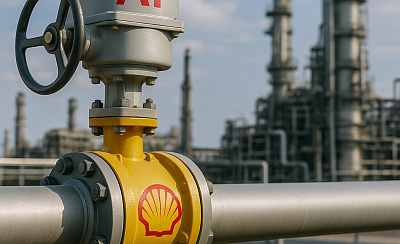
AI Valves by Shell: $5 Million Savings and the Future of Russia

AI Valves by Shell: $5 Million Savings and the Future of Russia

More
Shenandoah Field in the Gulf of Mexico: Advanced Deepwater Production Technologie

Shenandoah Field in the Gulf of Mexico: Advanced Deepwater Production Technologie

More
Corrosion Monitoring Systems for ASME Pipelines: Safeguarding the Offshore Shelf

Corrosion Monitoring Systems for ASME Pipelines: Safeguarding the Offshore Shelf

More
ASME Standards in the Design of Carbon Capture Equipment

ASME Standards in the Design of Carbon Capture Equipment

More

Send requests

Fill out the form to submit a request for the purchase of our products or to receive the necessary advice. Our manager will contact you as soon as possible.

0%